Cellular shades are popular because of their distinctive structure, but that structure comes with specific benefits and limitations. Understanding both can help you decide whether they are the right fit for your home, especially if you are trying to improve comfort, privacy, or light control.
This guide explains what cellular window shades are, how they work, and when they are worth considering.
What Are Cellular Shades?
Cellular shades are fabric window shades made with folded, pleated material that forms hollow pockets called cells. When viewed from the side, those cells create a shape that makes these coverings also known as “honeycomb shades.”
Cellular window shades and honeycomb shades are the same product category; there’s no difference. “Cellular” describes the shade’s air-cell construction, while “honeycomb” describes the way those cells look.
When the shade is lowered, the cells expand across the window and create pockets of air between the glass and the room. That structure helps slow heat transfer, which may make sunny or draft-prone rooms feel more comfortable. In warmer months, cellular shades can help reduce heat moving through sunny windows; in cooler months, they can help reduce heat loss through the glass.
That said, cellular shades do not solve every temperature problem or replace efficient windows, HVAC performance, or good insulation. Their impact depends on window orientation, fabric type, fit, and how consistently the shades are used.
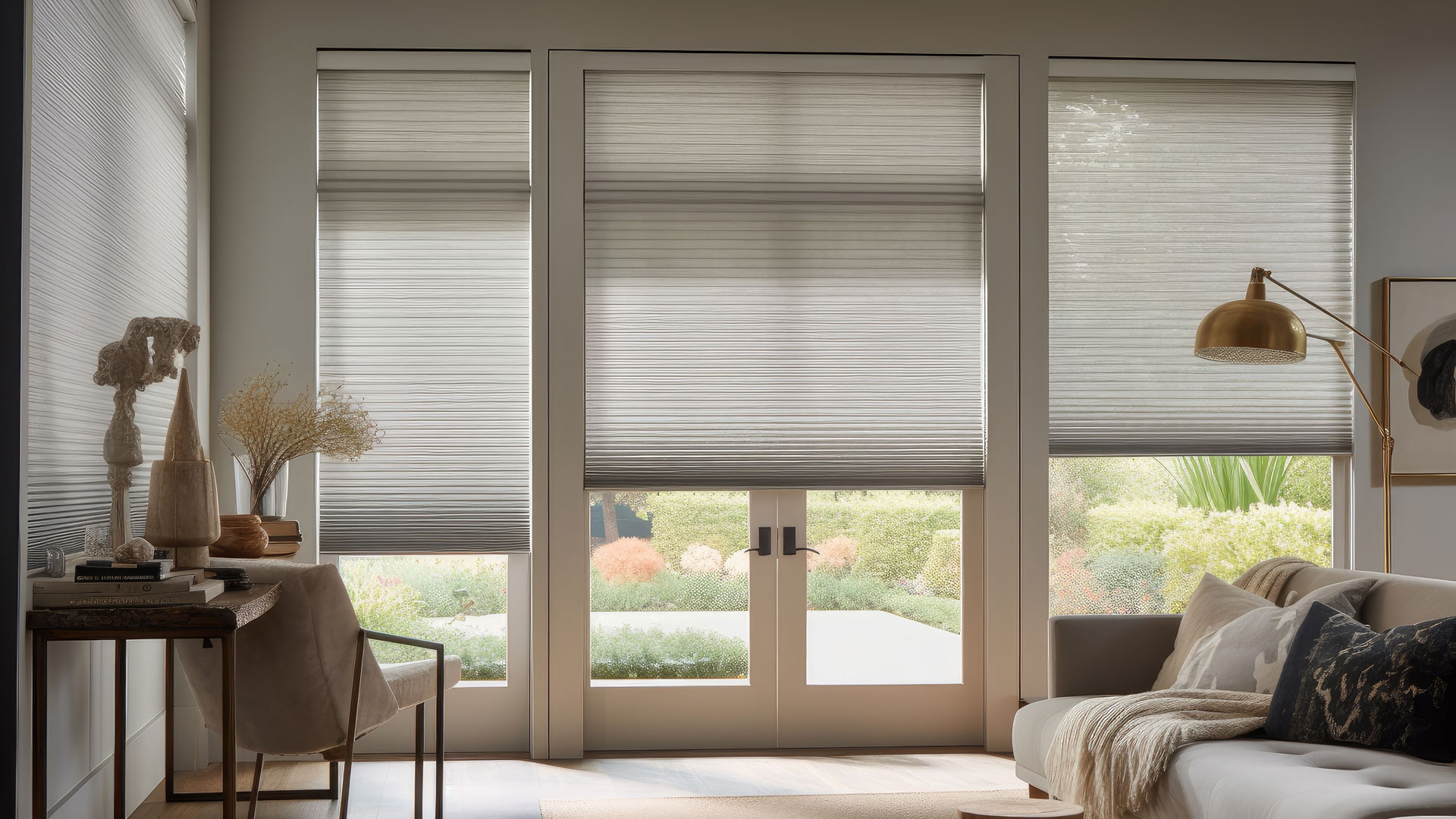
Light-Filtering vs. Blackout Cellular Shades
Light-filtering cellular shades soften sunlight while still allowing the room to feel bright. They are often a good fit when you want privacy without making the room feel dark.
Blackout cellular shades block light through the fabric itself, which can help when darkness or glare control is a priority. However, blackout fabric does not automatically mean the room will be completely dark. Light can still enter around the edges depending on the window, mount type, and whether side channels are used.
If your main goal is better sleep or stronger glare control, fabric opacity is only part of the decision. Fit, mounting details, and light gaps matter too.
Benefits of Cellular Shades
Cellular window shades are most useful when you want a window treatment that does more than cover the glass. Common benefits include:
- Improved comfort near windows: The air pockets can help slow heat transfer and make rooms feel more comfortable.
- Privacy: Most cellular fabrics obscure the view into the home when lowered.
- Softened natural light: Light-filtering fabrics can reduce harsh glare while still allowing daylight into the room.
- Room-darkening or blackout options: Darker opacity levels can help where stronger light control is needed.
- Flexible operation: Cordless, motorized, or top-down/bottom-up options can make the shades easier to use.
- Exterior consistency: Many cellular shades have neutral exterior backing, which can help create a more uniform street-facing appearance. This may be useful in neighborhoods with HOA guidelines, but you should always check your community’s covenants before ordering.
Drawbacks of Cellular Shades
Cellular shades are not the best choice for every room or every priority. Common tradeoffs include:
- Limited view-through: When lowered, cellular shades generally block the view rather than preserving it.
- Light gaps: Blackout cellular shades block light through the fabric, but light may still come in around the sides, top, or bottom.
- More delicate cleaning: Fabric cells can collect dust, insects, or debris, and they are not as easy to wipe clean as blinds or some roller shade fabrics.
- Humidity considerations: Cellular shades may not be the best fit for bathrooms, laundry rooms, or poorly ventilated areas where moisture is a concern.
- Softer appearance: The pleated fabric may not suit a very sleek or minimal design style.
- Cost differences: Larger windows, motorization, cordless controls, and specialty fabrics can cost more than basic blinds or ready-made shades.
Cellular Shades vs. Other Window Treatments
Cellular shades are not the only option for privacy, light control, or comfort. Here’s how they compare to a few common alternatives.
- Roller shades have a flatter, cleaner appearance and are often easier to wipe down, depending on the fabric. Cellular shades may offer more insulation because of their air-cell structure.
- Curtains add softness, color, and texture, but they take up more visual space. Cellular shades offer a more fitted look and can also be layered with curtains when you want both function and softness.
- Traditional blinds offer adjustable view-through because the slats can be tilted open or closed. They can also be easier to wipe clean. Cellular shades provide a softer look and may be a better fit when comfort, privacy, and a less segmented appearance matter more than slat control.
Are Cellular Shades Worth It?
Cellular shades can be worth it when comfort, privacy, and light control matter more than preserving a view or choosing the lowest upfront price. They are strongest in spaces with strong sun, privacy concerns, glare, or noticeable temperature changes near the glass.
They may not be worth the tradeoff if you want an unobstructed view when the shade is lowered, need a highly wipeable treatment, or prefer the sleekest possible window covering.
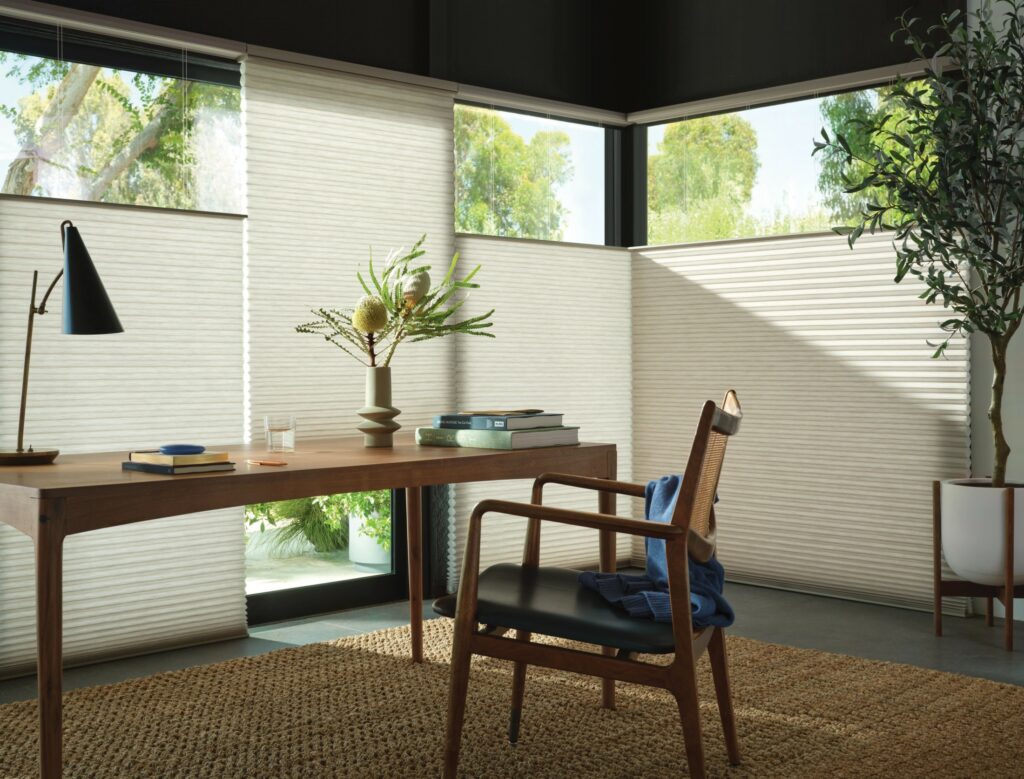
Are Cellular Shades a Good Fit for Charlotte-Area Homes?
Cellular shades can make sense in Charlotte-area homes where strong sun, long cooling seasons, and west-facing windows make certain rooms feel harder to keep comfortable. They are not a cure-all for high energy bills, but they can help improve comfort at the window when selected thoughtfully.
The best choice depends on the window’s orientation, the room’s use, the level of privacy needed, and how much light you want to preserve.
Frequently Asked Questions About Cellular Shades
Can you see through cellular shades at night?
In most cases, no. Cellular shades generally obscure the view when lowered, especially at night. However, silhouettes may be more visible with lighter fabrics or strong indoor lighting.
How do you install cellular shades?
Cellular shades can be mounted inside or outside the window frame, but proper measuring and placement matter. Even small installation issues can affect fit, operation, and light gaps around the shade, so many homeowners choose professional measuring and installation.
How do you clean cellular shades?
Cellular shades usually need gentle dusting or light vacuuming with a brush attachment. Always follow the manufacturer’s care guidance before spot cleaning or using water or cleaners.
How long do cellular shades last?
The lifespan of cellular shades depends on fabric quality, cell construction, operating system, sun exposure, humidity, fit, and how often they are raised or lowered. Rather than focusing on a single lifespan estimate, look for durable fabric, reliable operating systems, and warranty coverage that matches the way the room will be used.
Are Cellular Shades Right for Your Home?
Cellular shades are worth considering if you want privacy, softer light, and better comfort near the window, but they may not be the best fit if view-through, easy cleaning, or a very minimal look matter most.
Design-Build by Clever can help you compare custom window shade options and see materials in your home through our Mobile Design Studio. Contact our team to schedule a consultation and explore what may work best for your windows.